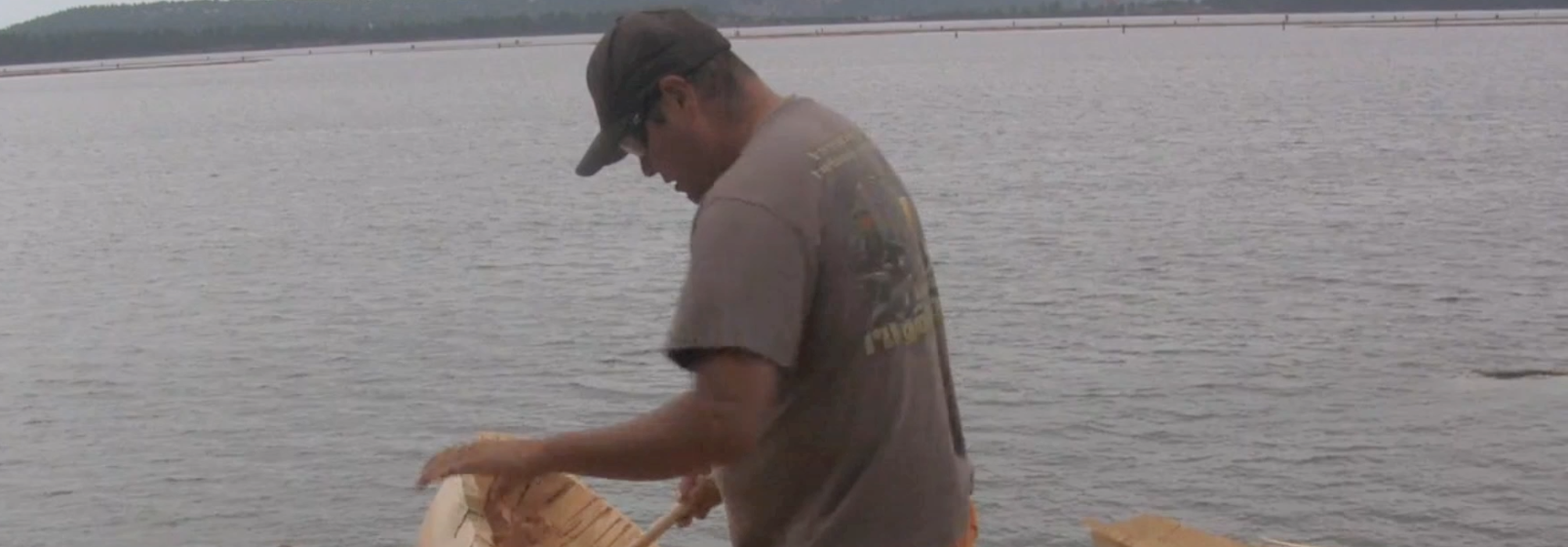
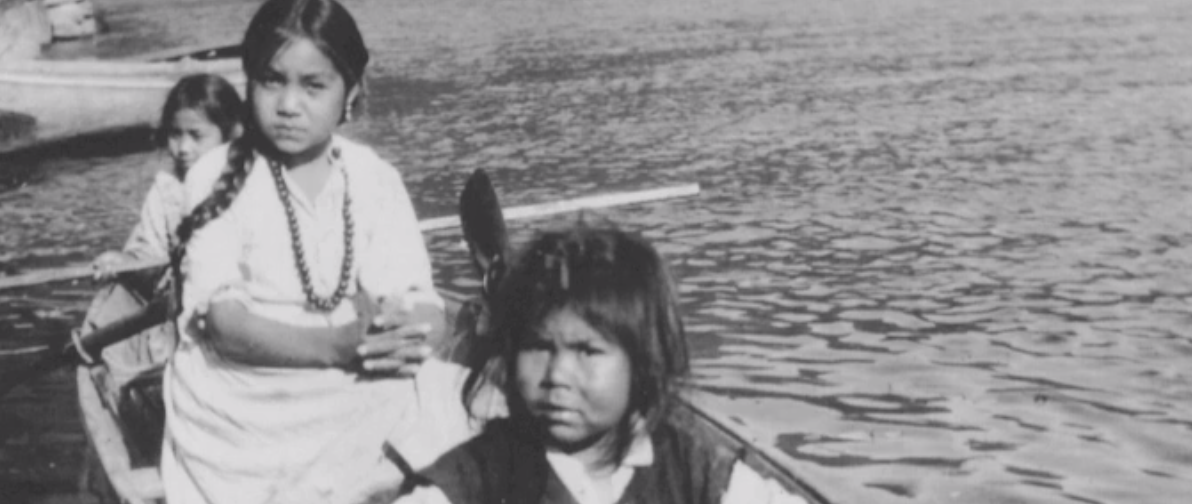
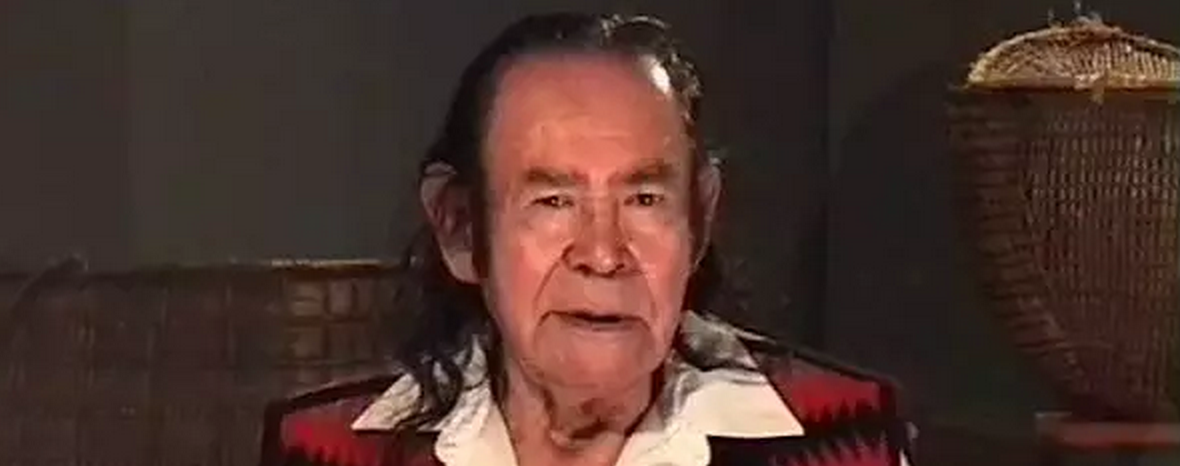
Our Elder Bill Seward — C’uqw’nustun — shared his cultural teachings about the importance of spiritual preparation.
Snuw’uyulh
Cultural Teachings
I’ll tell you a story about our ways, our teachings, our culture, about sports. Everything is combined. Cleansing especially, which we’re pretty near losing today. You got to be a clean person. When you go hunting, the way I was taught by the Elders, you’ve got to cleanse yourself. You go into a longouse, you got to be cleansed, you’ve got to be a clean person. You get on a canoe, you got to be a clean person to get on a canoe.
sii’em’ nu siiye’yu,
My most honoured friends,
sht’es ’ul’ kwu suw’ thuythut, thuythutuxw.
This is about how you prepare, prepare yourself.
xut’usstuhwulh kwthu s’ul’eluhw,
The way our elder lectured,
snuw’uyulh tu ste’ukw ’uw’ ’ikw’ut tun’a kweyul.
cultural teaching that are being lost today.
ha’ ch tse’ nem’ ’um’mush, ’i’ nem’ ch thuythut.
When you go hunting, you go prepare yourself.
nem’ ch nem’ ’u tu sment, thuythut ch,
You go up the mountain to prepare yourself,
kwuythut, shakw’um ch.
stir yourself, go for a bath.
xu’athun skweyul m’i yuhwkwekwiyul’ ’i’ m’i ch hun’umut.
You do this for four days, when it’s early in the morning and then you come home.
’uwu wulh q’iltus ’i’ yelh sus nem’.
Do not go late in the morning.
nilhulh sht’es tthu mustiimuhw,
That was the way of our ancestors.
ha’ ch nem’ tse’ ’aalh ’u tu snuhwulh,
If you are going to go on a canoe,
ha’ tse’ qul tu kwun’etuhw
if you are hold bad thoughts,
’i’ ’uwu ch ’aalhuhw ’u tu snuhwulh.
you are not permitted on the canoe.
nilhulh snuw’uyulh.
That was the teaching.
nilhulh niis st’e ni’wuthelut
That was I was advised about
kw’unus ’aalh ’u tu snuhwulh nu steti’.
when I was one the canoe, pulling.
ha’ ch tse’ nem’ ’u thu stheewt-hw,
If you are coming to the longhouse,
’i’ ’uwu ch hun’wulum’uhw ’u tu stheewt-hw,
you will not enter the longhouse,
’uw’ kwun’etuhw tu qul shqwaluwun.
if you are holding any bad thoughts.
s’e’tl’qstuhw ch ’ul’.
Leave them outside.
ha’ ch ’uwu s’e’tl’qst-hwuhw ’ul’ ’i’ uwu ch nem’uhw hun’wulum’.
If you cannot leave it outside then you cannot go in.
nilhulh snuw’uyulh kwthu s’ul’eluhwtst.
That was the teaching of our Elders.
tun’a kwey’ul ’uw’ ni’ hwulhwuluq ’i’ ni’ ’ikw’ tey’ snuw’uyulhsulh.
Today the teaching of the Elders is almost forgotten.
na’ut hwu kwikwun’tul’ tu mustimuhw sun’iw’ ’u tey’ stheewt-hw.
Today there are a lot of conflicts in the longhouse.
suw’ ’aalhsulh ’u tu snuhwulh ’i’ na’ut tl’uw’ ste’.
Canoe races are also like that.
na’ut tl’uw’ hwu kwikwun’tul’.
Fighting has also started there.
nem’ tse’ ’um’mush ’i’ ni’ tl’uw’ ste’ ’ul’.
Same as the hunters very same thing.
nilh tey’ snuw’uyulhsulh kwthu s’ul’e’luxw ni’ ste’ ’uw’ s’ikw tun’a kweyul.
It seems that the teachings of the Elders is lost today.
tth’ihwum tseep sii’em’ stlul’i’qulh,
Please, my most honoured childen,
’i’ hwu’a’lum’stuhw hwu q’uq’inustuhw kwthu sht’esulh kwthu s’ule’luhwtst
return to the ways of our Elders
’i’mush ’i u’ tun’a sulewe’ tumuhw.
who were walking on our own land.
ni’ st’e ’u kwuw’ ni’ xwul’xwu’luq ni’ ’ukw’nuhwut,
It seems that we have almost lost our teaching.
’uw’ st’ee ’ul’ ’u tey’ kw’unus ts’iitalu, sii’em’ stl’ul’iqulh,
And so I want to thank you, respected children.
hay tseep q’a’, sii’em’ stl’ul’iqulh.
Thank you respected children.
kwunut tseep tu sii’em’ shqwaluwunsulh kwthu s’ul’eluhwtst.
Hold on to the cherished thoughts of our Elders.
ni’ hay.
The end.
Credits
Hul’qumi’num’ speech by Bill Seward, Snuneymuhw First Nations
Videography – Chris Bouris
Video post production – Sean Milliken and Zoey Peterson
Translation and titles – Theresa Thorne and Donna Gerdts
Transcription – Donna Gerdts
Thank you – Loraine Littlefield