Blog

  • ma’uqw ‘i’ tthu snuhwulhs

    ma’uqw ‘i’ tthu snuhwulhs

    Delores Louie (Swustanulwut) supplies the Hul’q’umi’num’ translation and voice to this children’s story by the wonderful Jez Alborough.  

    Please go to his website to find out more about his books
    jezalborough.com

    ma’uqw ’i’ the snuhwulhs

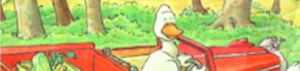
    The duck and his truck

    suw’ tskwims thu snuhwulhs tthu ma’uqw.
    The duck’s truck is red.

    yut’at’ukw’ tthu ma’uqw.
    The duck is heading home.

    yutl’i’lum’tus thu tskwim snuhwulhs, wulh yut’at’ukw’.
    He’s driving his red car, going home.

    ’uhwiin’ tthu she’shlhs kwus yutl’a’lum’thut.
    It’s a small road that he is driving on.

    hwun’ yutl’a’lum’thut ’i’ ni’ wulh tiqw’ ’u tthu smeent.
    He’s driving along and he bumps into a rock.

    susuw’ nem’ ’uw’ hwust’ut’ikw ’u tthu st’iqul’.
    And he gets stuck in the mud.

    tstl’um qw’im ’u tthu tluk snuhwulhs, suw’ t’a’thut thxutus.
    He jumps off of the truck and he tries to push it.

    xi’xlhem’ tthu sxu’enhw.
    The frog is watching.

    suw’ thut-s tthu sxu’enhw, “aah, ts’ewuthamu tsun. thxuthamu tsun.”
    And the frog said, “Oh, I will help you. I will push you.”

    yey’sul’u t’a’thut thxutus tthu snuhwulhs.
    The two of them try to push the truck.

    ’i’ ni’ hwun’ st’ut’ikw ’ul’.
    But it was still stuck.

    hwun’ t’ut’a’thut ’i’ wulh wil’ tthu na’nuts’a’ lumutou ’ula’ulh.
    They were still trying and along came a sheep on his car.

    suw’ temut-s thu ma’uqw, “’eyqthut!”
    And he shouted to the duck, “Get out of my way!”

    “skw’ey! ’i tsun st’ut’ikw!”
    “I can’t! I’m stuck!”

    “tstamut tst tse’? ni’ tst tse’ tstamut?
    “What will we do? What will we do?

    aaa, m’i tsun tse’ tl’uw’ ’ewu ts’ewuthamu thxut.”
    Oh, I will come and also help you push it.”

    lhhwelu t’a’thut thxutus tthu tskwim snuhwulhs—tthu ma’uqw, sxu’enhw ’i’ tthu lumutou.
    The three of them tried to push the red truck—the duck, the frog, and the sheep.

    ni’ hwun’ st’e ’ul’ hwun’ st’ut’ikw.
    But it was still just stuck.

    xut’e ’u tthey’ ’i’ wulh wil’ tthu neni, yu’i’tutum’.
    They were doing that and along came a goat, dozing off.

    ’i’ wulh ts’elhum’ut kwus yututem’,
    And he heard someone yelling,

    tutem’, “st’ut’ikw thunu snuhwulh!
    hollering, “My truck is stuck in the mud!

    skw’ey kws m’is ’utl’qnamut.”
    I can’t get it out!”

    suw’ wenshum ’utl’ neni tthu xwi’lum’.
    So the goat threw them a rope.

    suw’ thut-st-hwus, “q’eput.
    And he told them, “Tie it on.

    aaa yust’ut’iqw kw’un’ q’eput ’u tthun’ q’lhan ’u tthun’ snuhwulh.”
    Oh, tie it on tight to the front of your truck.”

    ’i’ tl’e’ wulh qulet thxutus ’eelhtun, hwi’ yey’sul’u ’ul’.
    And then they tried again, the two of them.

    ’i’ hay tthu neni hay nilh tthu pout-s,
    And there was the goat on his boat,

    ha’kwushus kwus hwkw’atum, hwkw’atum ni’ ’u tthu qa’.
    using it to pull, pulling from the water.

    ni’ thxutum tthu sxu’enhw ’i’ tthu lumutou,
    The frog and the sheep were pushing,

    ’i’ yu’ul’a’ulh tthu ma’uqw ’u tthu snuhwulhs
    and the duck was on his truck.

    hwun’ xut’u ’i’ ni’ wulh ’utl’qnamut, suw’ ’ulhep.
    Finally it did come out, and (the rope) came off.

    ’i’ hay kwthu lumutou, tthu sxu’enhw, ’i’ tthu neni
    And there’s the sheep, the frog, and the goat

    hay ni’ hwuslhelhuq’ sun’iw’ ’u tthu st’iqul’.
    sprawled out in the mud.

    hay ni’ yusi’yus kwus yuhuy’u tthu ma’uqw,
    And there’s the duck, happily going on his way,

    yut’it’ul’um’ ’iyus kwus yuhuy’u, nem’ wulh yut’at’ukw’.
    singing merrily, departing toward home.

    ’i’ hay kwthu neni, tthu sxu’enhw ’i’ tthu lumutou ni’ hwun’ st’ut’ikw.
    And there’s the goat, the frog, and the sheep still stuck in the mud.

    ni’ hay.
    The end.

    skwati ma’uqw!
    Crazy duck!

    Hul’q’umi’num’ translation and voice – Delores Louie
    Transcription and editing – Delores Louie and Donna Gerdts
    Sound recording and editing – Donna Gerdts
    Video editing – Essa Gierc, Carolyn Ruttan, Donna Gerdts
  • lhhwelu ’ula’ulh ’u thu snin’hwulh – Three people aboard a little canoe

    lhhwelu ’ula’ulh ’u thu snin’hwulh – Three people aboard a little canoe


    Hul’q’umi’num’ sxwi’em’: lhhwelu ’ula’ulh ’u thu snin’hwulh
    (Three people aboard a little canoe)

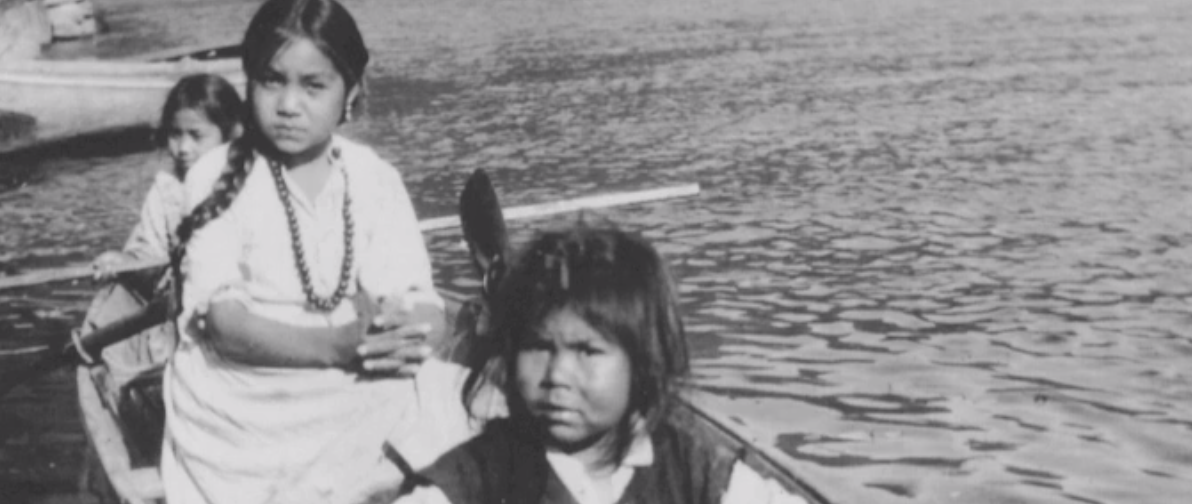
    Ruby Peter describes a photograph from the Cowichan Valley Museum and Archives, showing three children in a canoe in 1920.


    lhhwelu ’ula’ulh ’u thu snin’hwulh

    Three aboard a little canoe


    wulh hith yuhw tu’i shxaatth’ustun’.
    This picture must be from a long time ago.

    lhhwelu stl’ul’iqulh, ’ula’ulh ’u thu snuhwulh, snin’hwulh ‘’uhwin’ tthu snin’hwulh.
    There are three little people. on board the canoe, a small canoe, a little canoe.

    s’itth’um tthu ha’kwushus.
    They are weaing dresses.

    hay thu ’unwulh nilh yuhw ’uw’ sun’tl’e’, tl’ulqtel’ts’, st’um’eshun’u sqwinqwun thu ha’kwushus ’i’ thu sts’qw’un’u.
    The one in the middle who must be the eldest, has long braids, and she’s wearing beads and earrings.

    thu’inulh st’e ’o’ sun’tl’e’us hay st’e ’uw’ niis ’apun ’i’ kw’ lhihw.
    She the eldest and must be around thirteen.

    thu ’ehwiin’ ni’ ’u tthu q’lhan st’e ’ukw’ lhq’etsus sil’anum, ha’kwushus tthu stl’q’een’.
    The little one in the bow must be around five years old, and she’s wearing a feather.

    hay thu ni’ ’u tthu ‘’ile’uq ’uw’ st’e ’uw’ niis wulh te’tsus sil’anum. kwun’etus tthu xwuqw’ten thu stl’i’tl’qulh ni’ ’u tthu ’iile’uq.
    The one is the stern must be around eight years old. The child in the stern is holding a pole.

    st’e ’uw’ nilhulh xinupsum, xinupsum tthu ’i’ shhw’is.
    It must be Greenpoint where this picture is located.

    tu’inulh ni’ ’u tthu swi’wul’ thu nuts’a’ lelum’, ’uhwiin’ lelum’, ’i’ tl’uw’ ni’ thu thi.i.i lelum’, yuse’lu thu thithu hulelum’.
    Over there in the background is a small house, and also a longhouse, two longhouses.

    nilh ’iilh ’uw’ yath ’uw’ sht’es tthu hwulmuhw kwsuw’ ’ula’ulhs ’u tthu snuhwulh kws ’i’mush nem’s ne’ts’uw’t-hwum’ ’i’ tl’uw’ qul’et ’eli ‘uw’’aalh ’u tthu snuhwulh ’i’ nem’ ne’ts’uw’t-hwum’.
    This is how it was with the Coast Salish people that they would just hop on the canoe visiting.

    nem’s ’umshasum’ ’i’ ’uw’ snuhwulh tthu shhwula’ulhs tthu hwulmuhw.
    Traveling by canoe was a means of transporation for the Coast Salish People.

    hay ch q’a.

    Ruby Peter, Quamichan Elder, August 10, 2011

    Credits

    Photography courtesy of Cowichan Valley Museum and Archives
    Thank you to Kathryn Gagnon, Director

    Hul’q’umi’num’ story and voice by Ruby Peter
    Transcription and translation by Ruby Peter and Donna Gerdts
    Sound recording and editing by Donna Gerdts
    Video by Essa Gierc and Donna Gerdts

  • Bill Seward: Snuw’uyulh

    Bill Seward: Snuw’uyulh

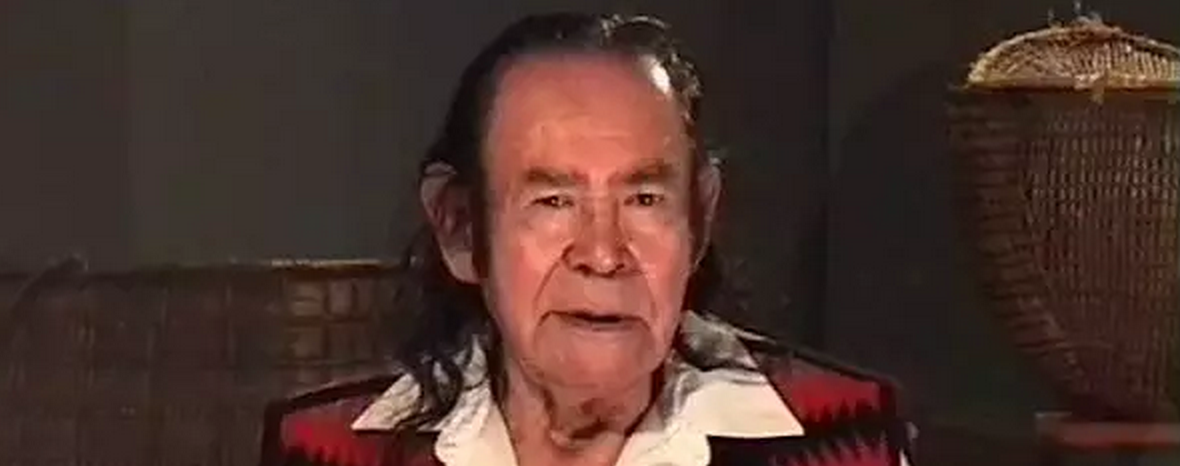
    Our Elder Bill Seward — C’uqw’nustun — shared his cultural teachings about the importance of spiritual preparation.


    Snuw’uyulh

    Cultural Teachings


    I’ll tell you a story about our ways, our teachings, our culture, about sports. Everything is combined. Cleansing especially, which we’re pretty near losing today. You got to be a clean person. When you go hunting, the way I was taught by the Elders, you’ve got to cleanse yourself. You go into a longouse, you got to be cleansed, you’ve got to be a clean person. You get on a canoe, you got to be a clean person to get on a canoe.

    sii’em’ nu siiye’yu,
    My most honoured friends,

    sht’es ’ul’ kwu suw’ thuythut, thuythutuxw.
    This is about how you prepare, prepare yourself.

    xut’usstuhwulh kwthu s’ul’eluhw,
    The way our elder lectured,

    snuw’uyulh tu ste’ukw ’uw’ ’ikw’ut tun’a kweyul.
    cultural teaching that are being lost today.

    ha’ ch tse’ nem’ ’um’mush, ’i’ nem’ ch thuythut.
    When you go hunting, you go prepare yourself.

    nem’ ch nem’ ’u tu sment, thuythut ch,
    You go up the mountain to prepare yourself,

    kwuythut, shakw’um ch.
    stir yourself, go for a bath.

    xu’athun skweyul m’i yuhwkwekwiyul’ ’i’ m’i ch hun’umut.
    You do this for four days, when it’s early in the morning and then you come home.

    ’uwu wulh q’iltus ’i’ yelh sus nem’.
    Do not go late in the morning.

    nilhulh sht’es tthu mustiimuhw,
    That was the way of our ancestors.

    ha’ ch nem’ tse’ ’aalh ’u tu snuhwulh,
    If you are going to go on a canoe,

    ha’ tse’ qul tu kwun’etuhw
    if you are hold bad thoughts,

    ’i’ ’uwu ch ’aalhuhw ’u tu snuhwulh.
    you are not permitted on the canoe.

    nilhulh snuw’uyulh.
    That was the teaching.

    nilhulh niis st’e ni’wuthelut
    That was I was advised about

    kw’unus ’aalh ’u tu snuhwulh nu steti’.
    when I was one the canoe, pulling.

    ha’ ch tse’ nem’ ’u thu stheewt-hw,
    If you are coming to the longhouse,

    ’i’ ’uwu ch hun’wulum’uhw ’u tu stheewt-hw,
    you will not enter the longhouse,

    ’uw’ kwun’etuhw tu qul shqwaluwun.
    if you are holding any bad thoughts.

    s’e’tl’qstuhw ch ’ul’.
    Leave them outside.

    ha’ ch ’uwu s’e’tl’qst-hwuhw ’ul’ ’i’ uwu ch nem’uhw hun’wulum’.
    If you cannot leave it outside then you cannot go in.

    nilhulh snuw’uyulh kwthu s’ul’eluhwtst.
    That was the teaching of our Elders.

    tun’a kwey’ul ’uw’ ni’ hwulhwuluq ’i’ ni’ ’ikw’ tey’ snuw’uyulhsulh.
    Today the teaching of the Elders is almost forgotten.

    na’ut hwu kwikwun’tul’ tu mustimuhw sun’iw’ ’u tey’ stheewt-hw.
    Today there are a lot of conflicts in the longhouse.

    suw’ ’aalhsulh ’u tu snuhwulh ’i’ na’ut tl’uw’ ste’.
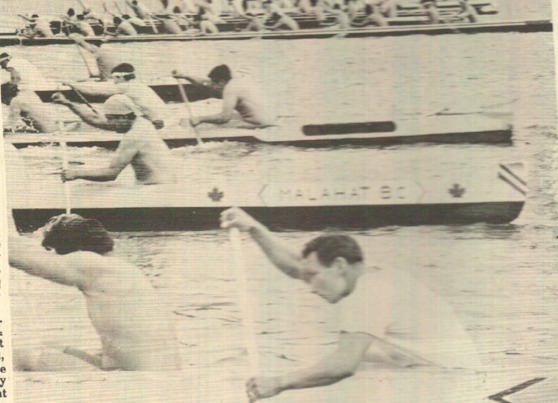
    Canoe races are also like that.

    na’ut tl’uw’ hwu kwikwun’tul’.
    Fighting has also started there.

    nem’ tse’ ’um’mush ’i’ ni’ tl’uw’ ste’ ’ul’.
    Same as the hunters very same thing.

    nilh tey’ snuw’uyulhsulh kwthu s’ul’e’luxw ni’ ste’ ’uw’ s’ikw tun’a kweyul.
    It seems that the teachings of the Elders is lost today.

    tth’ihwum tseep sii’em’ stlul’i’qulh,
    Please, my most honoured childen,

    ’i’ hwu’a’lum’stuhw hwu q’uq’inustuhw kwthu sht’esulh kwthu s’ule’luhwtst
    return to the ways of our Elders

    ’i’mush ’i u’ tun’a sulewe’ tumuhw.
    who were walking on our own land.

    ni’ st’e ’u kwuw’ ni’ xwul’xwu’luq ni’ ’ukw’nuhwut,
    It seems that we have almost lost our teaching.

    ’uw’ st’ee ’ul’ ’u tey’ kw’unus ts’iitalu, sii’em’ stl’ul’iqulh,

    And so I want to thank you, respected children.
    hay tseep q’a’, sii’em’ stl’ul’iqulh.
    Thank you respected children.

    kwunut tseep tu sii’em’ shqwaluwunsulh kwthu s’ul’eluhwtst.
    Hold on to the cherished thoughts of our Elders.

    ni’ hay.
    The end.

    Credits

    Hul’qumi’num’ speech by Bill Seward, Snuneymuhw First Nations
    Videography – Chris Bouris
    Video post production – Sean Milliken and Zoey Peterson
    Translation and titles – Theresa Thorne and Donna Gerdts
    Transcription – Donna Gerdts
    Thank you – Loraine Littlefield

  • Counting: Numbers and People

    English Generic People
    ‘how many?’
    ‘one’
    ‘two’
    ‘three’
    ‘four’
    ‘five’
    ‘six’
    ‘seven’
    ‘eight’
    ‘nine’
    ‘ten’
    ‘eleven’
  • Going to the Races

    hwuy’qwul’ulh ‘ferry’
    shle’lumul’s ‘binoculars’
    shxuxaatth’ustun ‘camera’
    tuw’tuw’uluquptsus ‘cell phone’
    t’un’uthut ‘line up’


    (1) ‘uwu ch me’mul’quhw ‘u lhun’ shxuxaatth’usun’uq.
    ‘Don’t forget your camera.’
    (2) ‘uwu ch me’mul’quhw ‘u lhun’ shle’lumul’s.
    ‘Don’t forget your binoculars.’
    (3) nem’ tst ‘aalh ‘u tthu hwuy’qwul’ulh ‘u kw’ tahw skweyul.
    ‘We’ll take the noon ferry.’
    (4) nem’ tst t’un’uthut ‘u kwthu shhw’aalhs kwthu hwuy’qwul’ulh.
    ‘We’re going to line up to board the ferry.’
    (5) ni’ tst tse’ almutst lhu hwuy’qwul’ulh.
    ‘We have to wait for the ferry.’
    (6) ta’ult tthun’ hul’q’umi’num’ kwun’s ni’ ‘almutsun ‘u tthu hwuy’qwul’ulh.
    ‘When you’re waiting for the ferry, study your Hul’q’umi’num’!’
  • Instructions from the Officials

    Pay attention to these commands for the beginning of the race:
    wulh saay’ tthu ‘uwatul. ‘The race is going to start.’
    t’un’uthut! ‘Line up!’
    ya’thut! ‘Back up!’
    lhxilush ch t’un’us tthun’ snuhwulh. ‘Stand beside your canoe.’
    ‘unuhwstuhw tthu s’uwatul’. ‘Stop the race.’
  • Counting Canoes

    kw’inuwulh ‘how many canoes?’
    nets’uhwulh ‘one canoe’
    themuhwulh ‘two canoes’
    lhhwuwulh ‘three canoes’
    xuthinuwulh ‘four canoes’
    lhq’etssuwulh ‘five canoes’
    t’xumuwulh ‘six canoes’
    tth’a’kwsuwulh ‘seven canoes’
    te’tssuwulh ‘eight canoes’
    toohwuwulh ‘nine canoes’
    ‘upenuwulh ‘ten canoes’
    ‘upenuwulh ‘i’ kw’ nets’uwulh ‘eleven canoes’
  • Parts of the Canoe

    Parts of the Canoe

    Here are some words for parts of the canoe:

    sq’lhan bow
    ‘ile’uq stern
    shmut’uwulh crosspiece
    lume’shutun kicker
  • Commands from your Skipper

    Commands from your Skipper

    Did you know? All the calls used to be in Hul’q’umi’num’?
    thuythut ee’! thuythut ee’! Fix up! fix up!
    ‘ushul ee’! ‘ushul ee’! Paddle!
    luq’uthut ee’! luq’uthut ee’! Even up! Even up!
    q’awuthut ee’! q’awuthut ee’! Use all your strength!
    timuthut ee’! timuthut ee’! Try harder!
    t’ukw’stuhw ee’! t’ukw’stuhw ee’! Take it home!


    More Commands from your skipper
    hakwush tthun’ sq’umul’! ‘Use your paddle!’
    ts’ulqun! ts’ulqun! ‘Turn! Turn!’
    ts’ultsus! ‘Switch!’
    wetth’ut tthun’ sq’umul’! ‘Pry your paddle!’
    ‘akw’ut tthun’ sq’umul’! ‘Hook your paddle!’
    ‘e’ut wulh tseeltalum ‘They’re following us!’ missing audio for this
    ‘uwu tseep huy’uhw! ‘Don’t give up!’
    ‘uwu tseep smi’muluts’uhw! ‘Don’t get mixed up!’
    ‘uwu ch sul’im’stuhw tthun’ t’eluw’! ‘Don’t bend your arms!’
    ‘uwu ch qutquttsala’uhw! ‘Don’t be like a spider!’
  • Tl’itl’hwun’eq thu Siqaltunaat – Salish’s Victory

    Tl’itl’hwun’eq thu Siqaltunaat – Salish’s Victory


    Tl’itl’hwun’eq thu Siqaltunaat

    Salish’s Victory

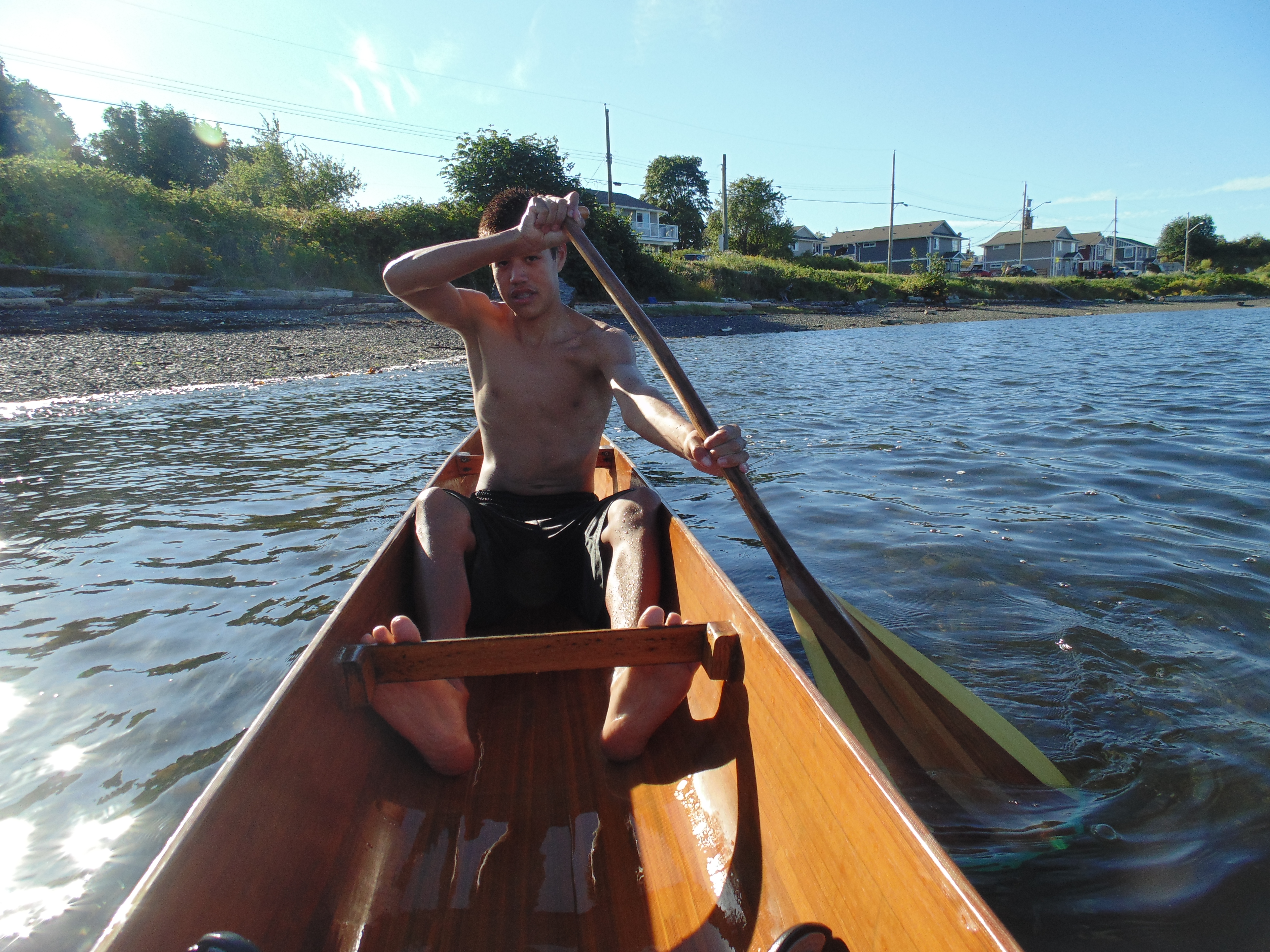
    1. nilh ’uw’ hwun’a’ skweyul ’iis tu teti’ musteyuhw kws nem’s yutey’ti’qul’ kws ’i’watul’s. ’e’uth hay ’ul’ s-hil’ukw thu Salish — Siqaltunaat.

    Today is the first day of canoe season, and Salish — Siqaltunaat is very excited.


    1. tun’ni’ thu siqaltunaat ’u tu snuneymuhw musteyuhw. ’i’ yath ’uw’ sq’uq’a’ ’u tu ’i’ watul’ sunihwulh. ’i’ ni’ tse’ ’uw’ yuthethi’utus tu sq’uq’a’s ’u tu ’i’watul’.

    Salish comes from a canoe family in Snuneymuxw and knows how important it is for her to carry on their tradition.


    1. ni’ ’uw’ shtatul’stum ’utl’ Siqaltunaat kws hays ’ul’ tl’i’ tu ’i’shul’ kws tl’lim’s ’uw’ thuytus tu shqweluwuns, smusteyuhws, ’i’ tu tth’ele’s.

    Salish knows that she must get ready for the season by cleansing her mind, body, and heart.


    1. nilh ni’ shhwunum’ ’utl’ Siqaltunaat kws kw’akw’i’uthut-s, thaythut ’u tu sht’es tse’ tu teti’.

    Here is the bath hole where Salish will begin to prepare herself for the upcoming season.


    1. nilh hay ’ul’ tl’i’ kwun’s kw’akw’i’uthut ’u kwun’s ni’ ’u tu ’i’shul’. nilh ni’ ts’uwtun ’utl’ Siqaltunaat kwus kw’am’kw’um’stum tu s-huli smusteyuhws sis ’uw’ st’e ’uw’ niis hwunuts’umat ’u tu snuhwulhs kwus yath ’uw’ sthuthi’st-hwus tu smusteyuhws.

    Bathing is a very important part of being a paddler. It helps Salish build up her spirit and makes her one with the canoe when she keeps her body clean.


    1. nilh ’uw’ hwun’a skweyuls t’a’thut-s ’i’ ’e’uth hay ’ul’ siil’ukw thu siqaltunaat, ’e’uth wulh saay’ kws nem’s t’a’thut.

    Today is the first day of practice, and Salish is very excited and ready to go.


    1. tu hwnuts’a’wuqw Prince Charles ’i’ hwnuts’a’wuqw Warpath ni’ q’puthut ni’ ’u tu hwune’net ’i’ qwel’qwul’tul’ nilh tu shyuw’un’qsun coach nilh qwel.

    The Prince Charles and Warpath canoe club meet up in the evening, discussing what the coach/Skipper has to say.


    1. nilh hay ’ul’ ’uy’ kws ni’s kwthun’ ts’lhhwulmuhw ’i’ nilh kwthu syuw’a’numa’, yuhw’iiw’tsun’uq, la’lum’utul’ st’e ’u kwthu nilh sht’es kwthu s’ul-hween tst. ’i’ nilh hay ’ul’ tl’i’ ’u kwthu snuhwulh kwsuw’ ’iyusth ’ul’ tu hwnuts’ulwum. nilh ni’ sqwels tu shyuw’un’qsun, skipper.

    “It is always good to have family together, following traditions and looking after one another like our grandparents did. But most importantly, when we are on the canoe, we must have fun as a family,” says the Skipper/coach.


    1. mukw’ tu ’i’shul’ ni’ wulh hwusaay’ tu ni’ shni’s kws ’ula’ulhs ’u tu snuhwulh ’i’ wulh nilh suw’ huye’s.

    Everyone takes their places on the canoe and away they go.


    1. nilh hay ’ul’ tl’i’ kwun’s t’ut’a’thut ’i’ ’uw’ mukw’ skewyul. la’us kwsus lhumuhw, ’uw’ niis ’uy’ skweyul ’i’ ’uw’ t’ut’a’thut ch.

    The hardest part of canoe paddling is you have practice every day. You have to practice rain or shine.


    1. nilh tu shhwuw’welis, shhw’a’luqw’a’s ni’ ya-a-ath nuw’ ts’ets’uw’ut tu shqweluwuns kwun’atul’ ’u tu shyuw’un’qsun ’utl Siqaltunaat, ’u tuw’, mukw’ skweyul ni’ sht’ut’a’thut-s.


    The support of her family and teachings of the coach help Salish get through every practice.


    1. ni’ wulh tus ’u tuw’ hwun’a-a-a’ ’ul’ shtl’etl’hwitul’. tu hay ’ul’ ’uy’stum ’utl’ Siqaltunaat ’i’ nilh kws nem’s hunum’ ’u tuw’ nets’ st’e ’uw’ niis ’umshasum’ yukwun’atul’ ’u tu shhwuw’welis. qux ni’ shhwhunum’s kwus nem’ tuyti’qul’ ’u tu s’uwatul’ ’i’ ’uy’st-hwus kws ’a’ulh ’u thu xwuy’qwul’ulh.

    The weekend is here along with the first race. The best part for Salish is traveling with her family and canoe club to the different villages and most of all riding the ferry.


    1. kwus wulh tus ’u tu yushhwhunum’s ’i’ wulh thuythut ’eelhtun ’u tu shni’s tse’ sus ’uw’ qw’imutus tu snuhwulhs tun’ni’ ’u tu tsitsulh ’u tu trucks.

    When they arrive, they set up their campsite and unload the canoes from the top of the truck.


    1. wulh temutum tu stl’ul’iqulh xut’ustum’ munchies, sma’mu’luqw ’ul’. nem’us thuythut kws nem’s ’ushul nilh ni’ sqwaqwul’s tu ni’ tuteeem’.

    The “Munchies” mixed race is called. They get ready to paddle when the announcer calls out.


    1. Salish—Siqaltunaat ’i’ tu sq’uq’a’s wulh thuythut ’aalh ’u tu snuhwulhs nem’ ’u tu shni’s kws ’a’mut-s. wulh nem’ taal ’u kw’uw’ qe’is ’ul’, ni’ nem’ thuythut nem’ ’u tu shni’s kwus t’un’uthut.

    Salish and her club get ready, finding their seats in the canoe, and they head out to warm up, then line up.


    1. wulh nem’ t’un’uthut q’a’thut ’u tu mukw’ sunihwulh ni’ st’ut’in’.

    They line up with the rest of the canoes.


    1. wulh teem tu shqwuqwel’, tssetum tu sunihwulh. “ya’thut, ya’thut, thuythut!”

    “All canoes back up to the line. Back up! back up!” says the announcer.


    1. wutl’uluqw thu skwul’esh. “na’ut wulh huliye’!” thut tu shqwuqwel’.

    Bang! goes the gun. “There they go!” says the announcer.


    1. “’e’ut wulh m’i yul’ew’ ’u tu yulhi’a’qwt shq’uw’ilum wulh m’i ’ewu ’u tu hay ’ul’ yulhi’a’uqwt kws tl’hwunuqs. nilh tu Warpath nilh ’e’ut yuw’en’,” qwiil’qwul’ tu shqwuqwel’.

    “Here they come past the last turn and on to the last stretch. It’s Warpath in first place,” says the announcer.


    1. ni’ wulh ha’kwt tu ni’ tl’hwunuq, ’i’ nilh Salish — Siqaltunaat ’i’ tu sh’hw’a’luqwa’s ’ula’ulh ’utl’ Warpath, nilh ni’ tl’hwunuq.

    The horn sounds, and Salish and her crew on the Warpath take first place.


    1. hay ’ul’ sul’iil’ukw tuw’ne’ullh, ’uy’st-hwus kwus tl’hwunuq, ’i’ nilh thulh tu sniw’s yuw’en’ kws lhel’sh kwthu snuhwulh ’i’ le’shus. ’i’ yelhs ’i’yasum’s ’eelhtun.

    They are all very happy and excited to win, but before they can celebrate they must follow the teachings and look after their canoe and bring it ashore.


    1. ni’ kwu’eelh wulh hwsul’e’ kwthu snuhwulh, yelh tse’s nem’s ’iyasum’ Salish kwun’atul’ ’u tu coach ’i’ tu shhw’a’luqw’a’s nem’ tsam kwunutus thu trophy ’i’ thu telus ’uy’ skweyul ’utl’ Salish ’i’ tu shhw’a’luqw’a’s ni’ kwunnuhwus ’eelhtun thu lhq’utsulhsha’us ’u tu na’nuts’a’ ’i’shul’.

    Now that the canoe is packed up they can celebrate. Salish along with her coach and team go and collect their trophy and prize money. This day was a good day for Salish’s crew because in first place each paddler got $50.


    1. nilh hay ’ul’ ni’ tl’i’stum’ ’utl’ Salish kwus yutetul’ ’u tu syuw’en’s tu shhwuw’welis ’i’ kwsus nilh ni’ yutheyt ’i’ kws nilhs yuwiwul’ut tu sht’es tu snuneymuhw, hwsus hay ’ul’ tl’i’st-hwus tu ni’ shsaay’s.

    Most importantly to Salish, she got to carry on the tradition of her family and community representing Snuneymuxw in a good way with respect.


    1. ni’ hay.


    1. ha’ ch ni’ teti ’i’ qux tu st’e kw’un’ shnu’as tun’ timul kwun’s kw’am’kw’um’stuhw tu shqweluwun ’i’ kwthu ni’ sht’es kw’un’s ni’ la’lum’uthut kwun’s le’lum’ut tun’ siiye’yu.

    Canoe pulling is very demanding. You have to have a lot of courage and a lot of respect for your friends.


    1. ’i’ yath ch ’uw’ sthuthi’stuhw tu shqweluwun kwun’s le’lum’ut tun’ musteyuhw ’i’ tun’ s-huli.

    It helps you build a healthy mind, body, and spirit.