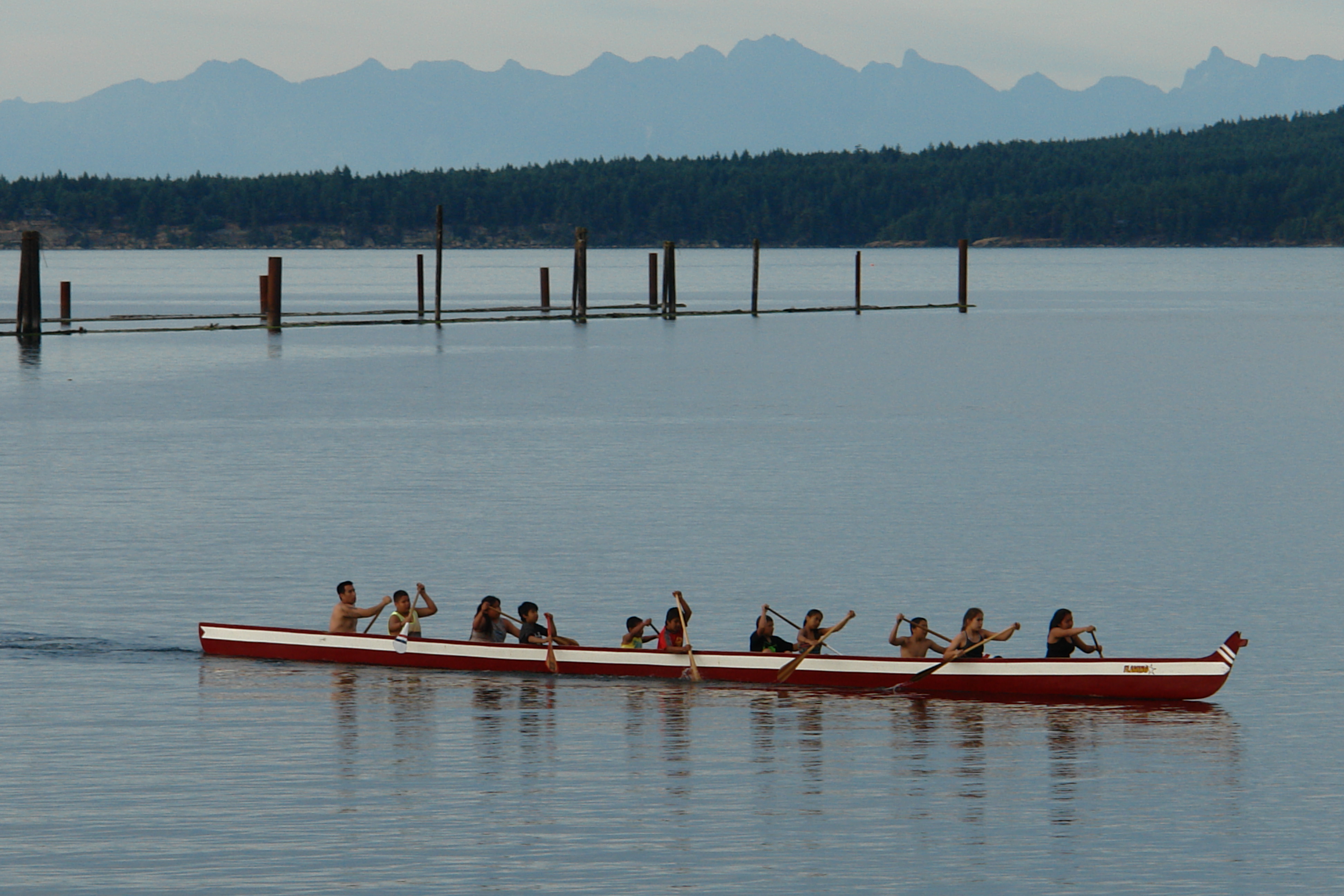
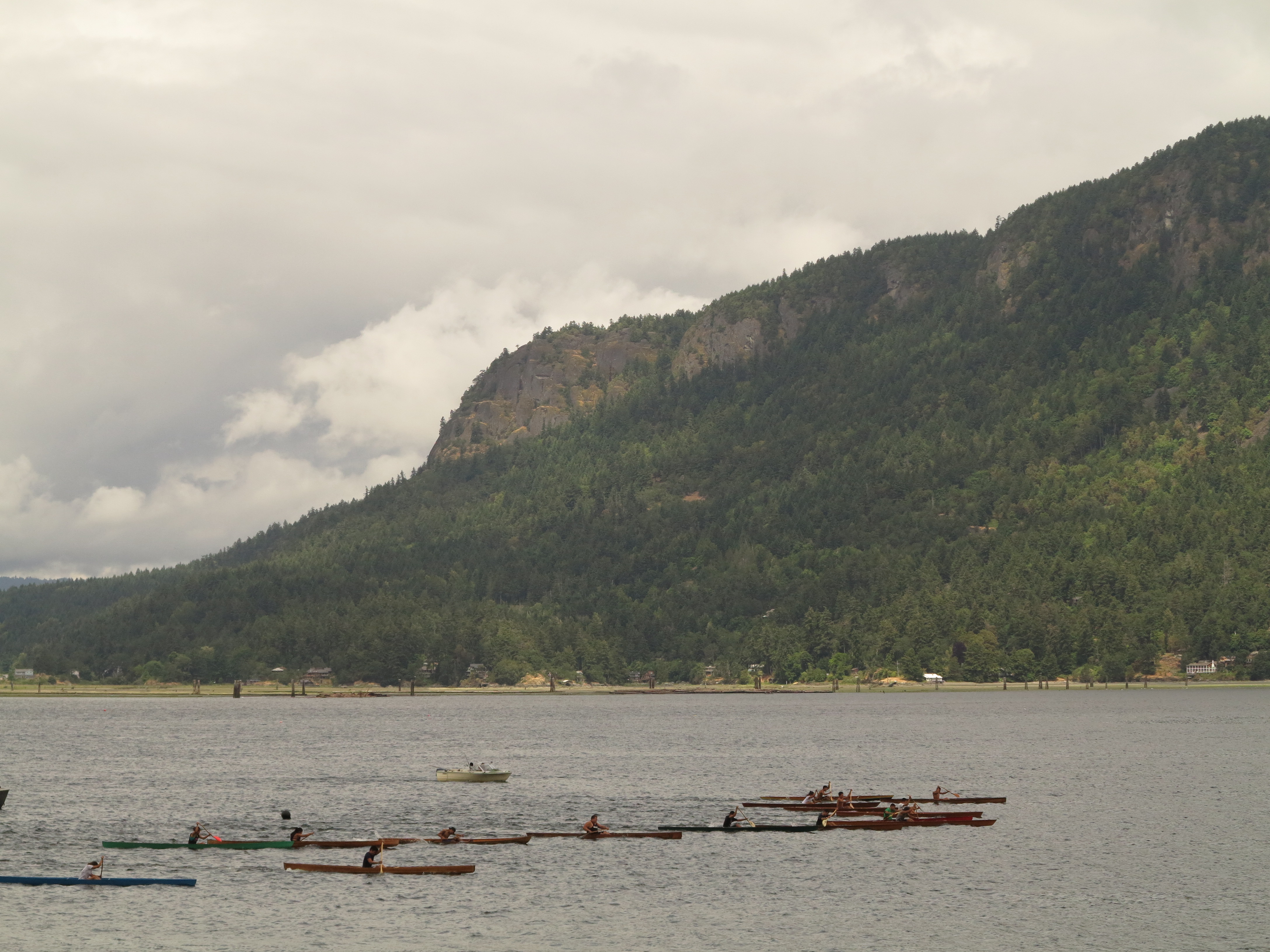
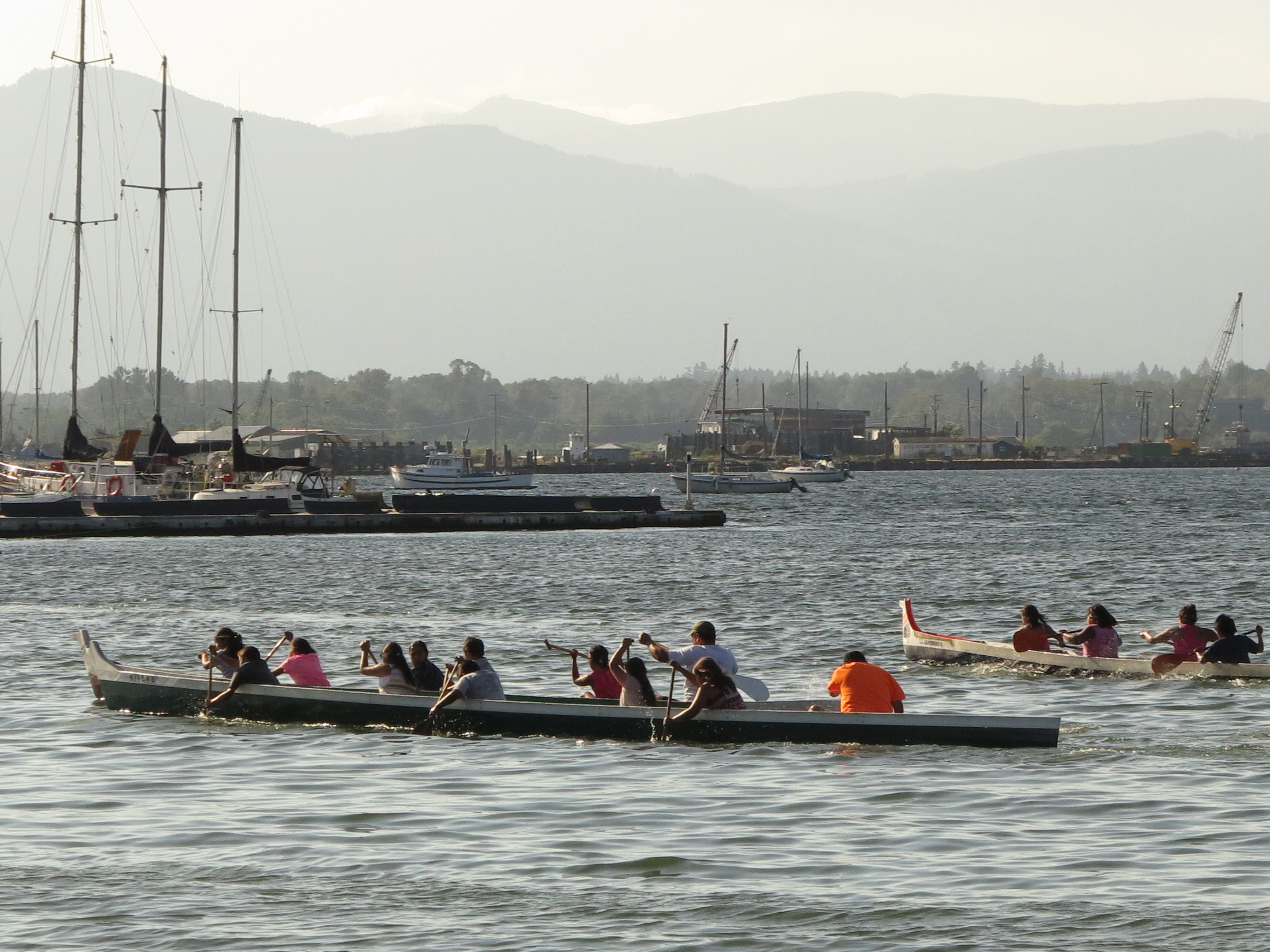
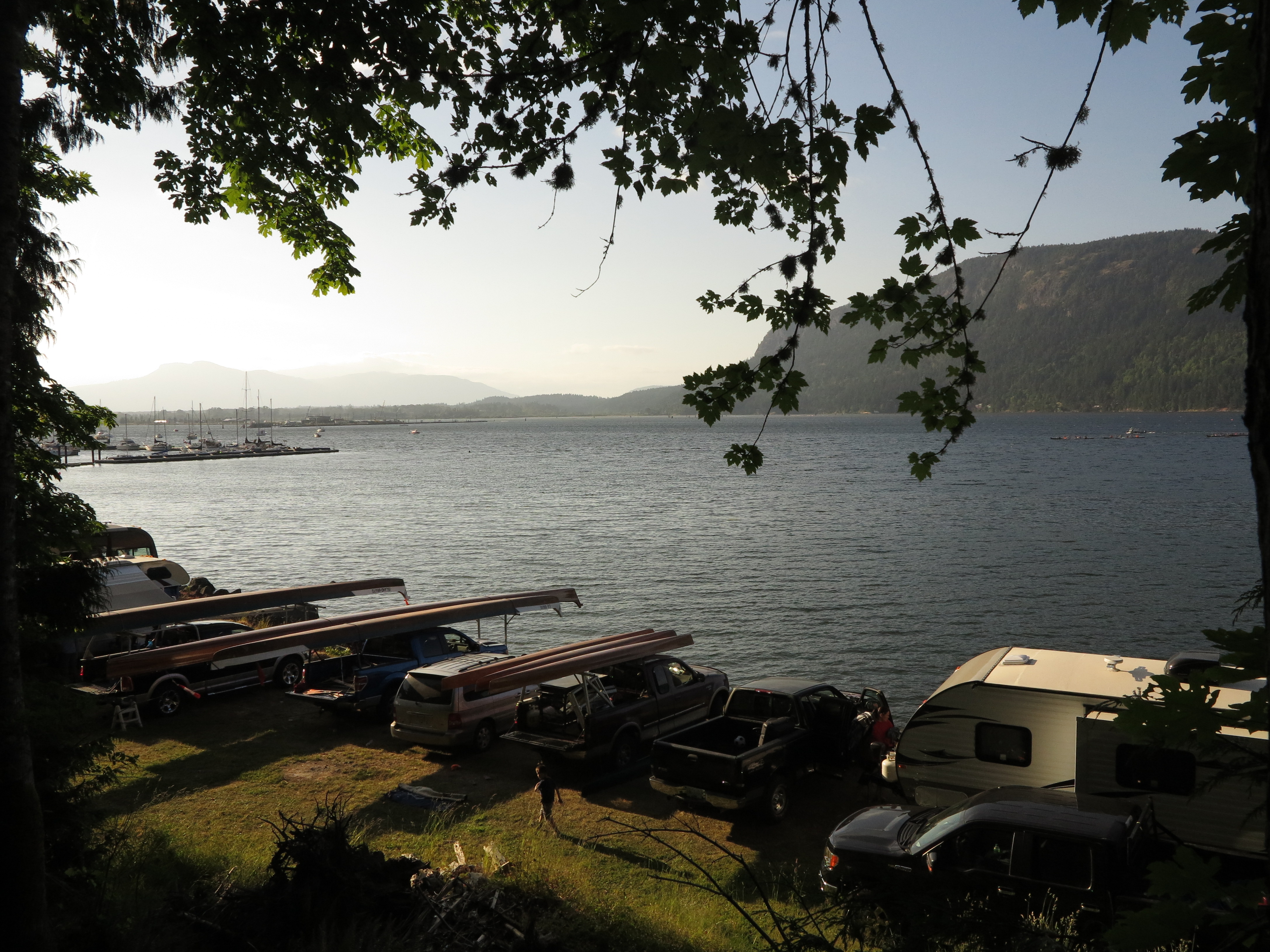
sht’es kws t’ut’athut tst, ’uwu kws hwq’uywulh-s ’uwu te’ hun’utus, tl’lim’ ’uw’ q’awuthut.
This is how we trained—no one would ever complain or get tired, and we used all our strength.
thimat p’e’ kw’us teti’ mustimuhw, ’uwu ’uw’ tl’uhwla’usus ’ul’ .
The paddlers were important, as it’s not just a pastime.
’uwu ch ’uw’ sht’eewun’uhw ’ul’, “a-a-a kweyul tse’ kwunus nem’ t’a’thut.”
You can’t just think, “Ah, I’ll practice tomorrow.”
skw’e-e-ey kw’us tuw’ s’um’mut.
You mustn’t be lazy.
ha’ tse’ s-hwu’iw’s tthun’ mustimuhw suw’ s-hwu’iw’s tthun’ snuhwulh.
If your body is very alert, your canoe will also be alert.
st’e ’uw’ niihw ’amust ’u tthun’ swe’ ’un’ s-huli.
It’s just like you give it your soul.
ha’ kwu’elh hulithat tthun’ snuwhulh ’i’ tl’lim’ ’uw’ ts’unum.
So when your canoe comes to life, it will really shake.
’i ch ’ula’ulh kwun’et tthun’ sq’umul’ st’e-e ’u tu’inulh ni-i-i st’ulut’in’—
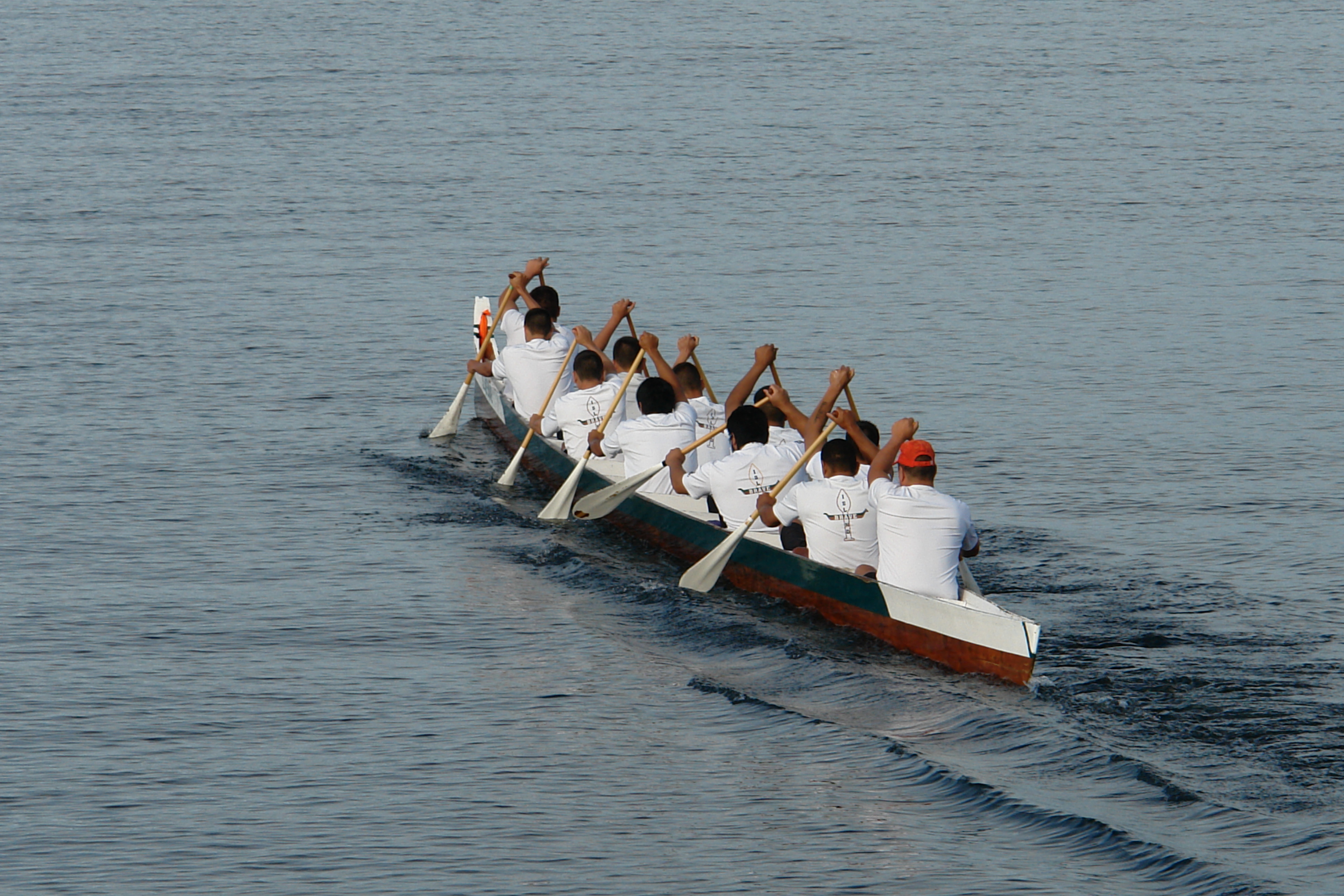
When you’re on the canoe holding your paddle, lined up like this—
’i’ wulh ts’unum tthun’ snuhwulh st’e ’uw’ niis wulh ’al’mutsun’, ni’ wulh hulithut.
and your canoe is shaking, just like it’s waiting, and it comes alive.
Willie Seymour — Sxweltun
Stz’uminus
’u kwus wulh hwun’ yui’shul’, kwthu ni’ ni’ ’u kwthu q’lhan. ni’ tse’ ni’ ’u tthu sya’lum’iws, ’uw’ niis tse’ wulh tus ’u kwthu shni’s kws ts’ulquns ’eelhtuns.
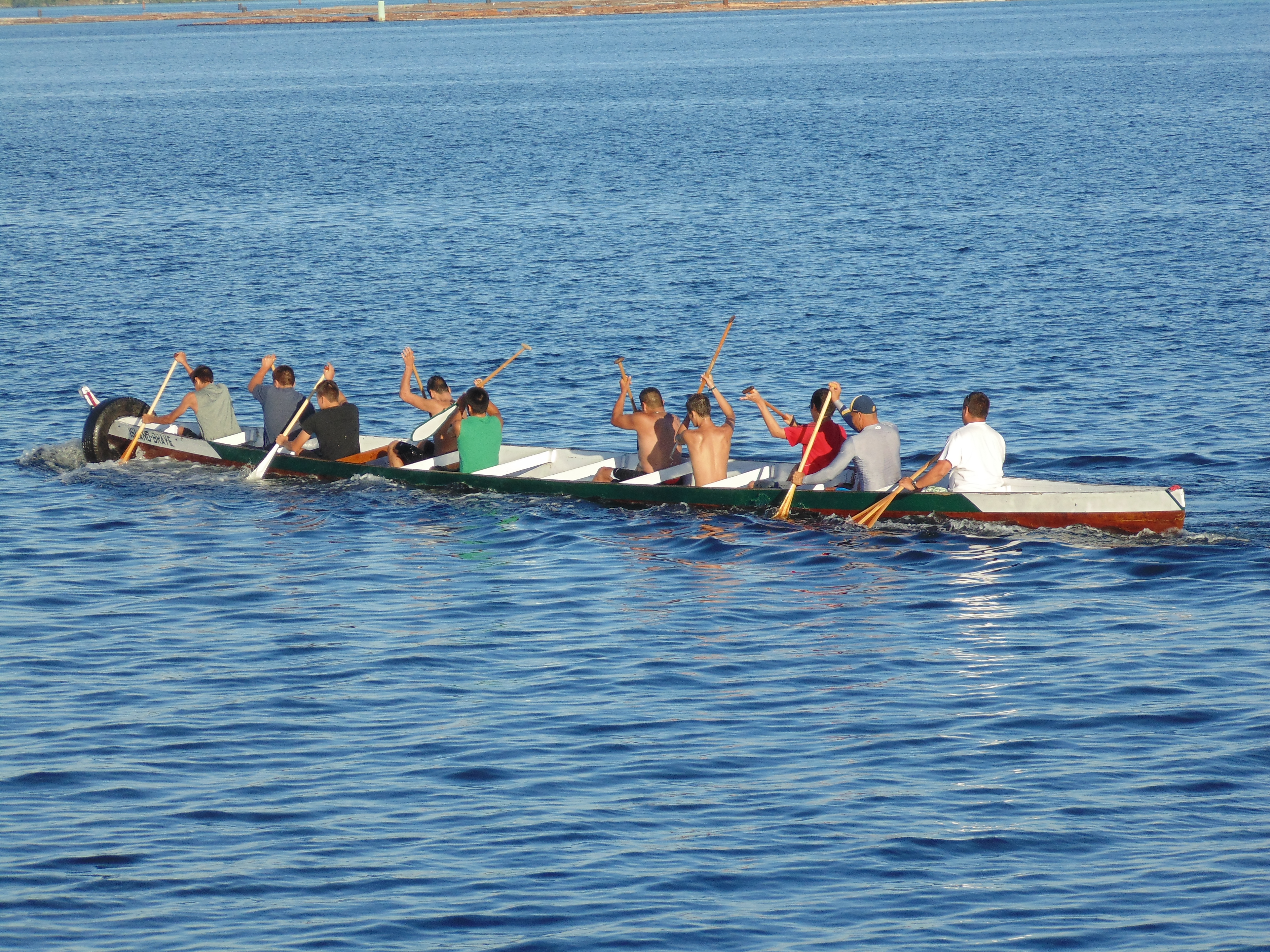
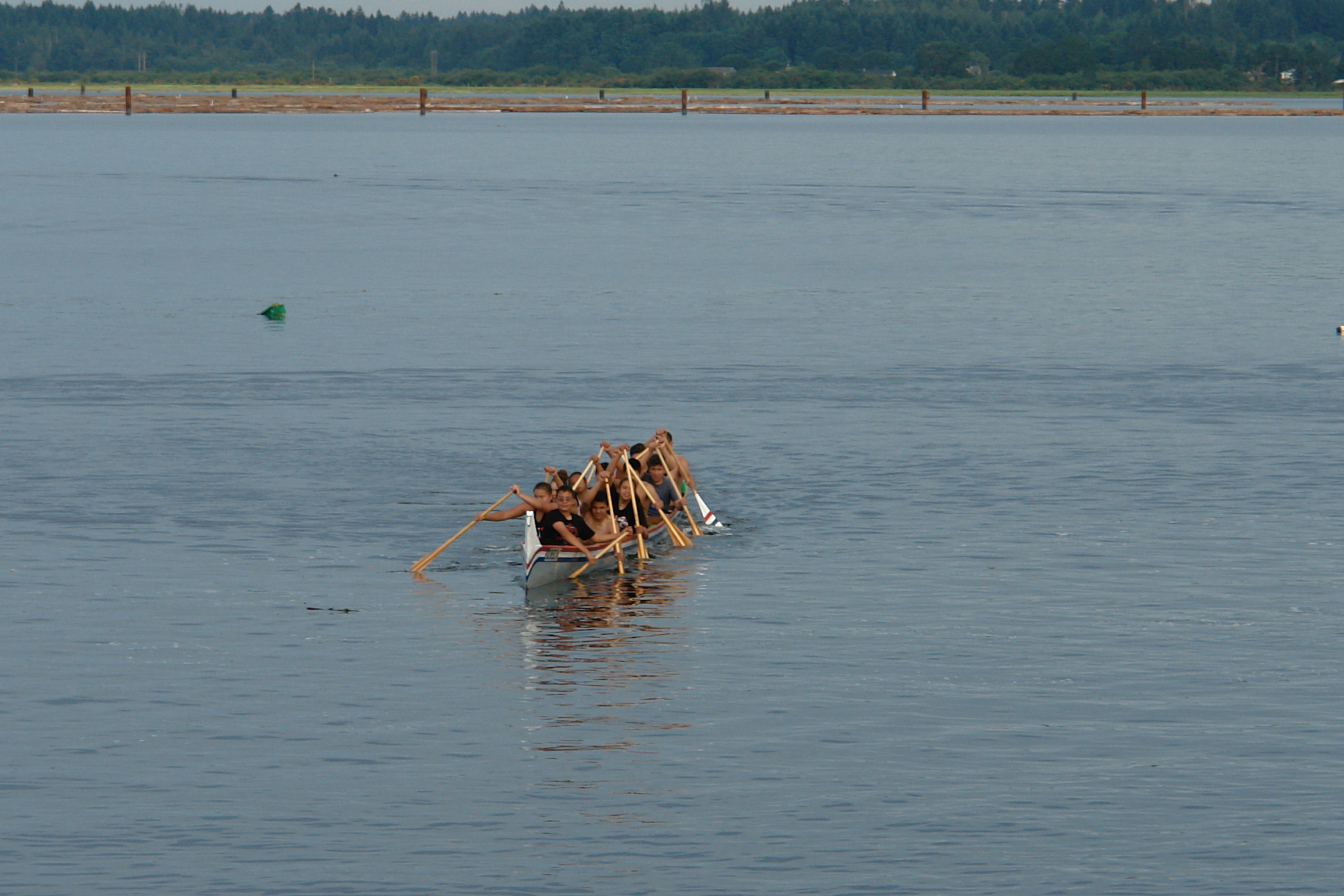
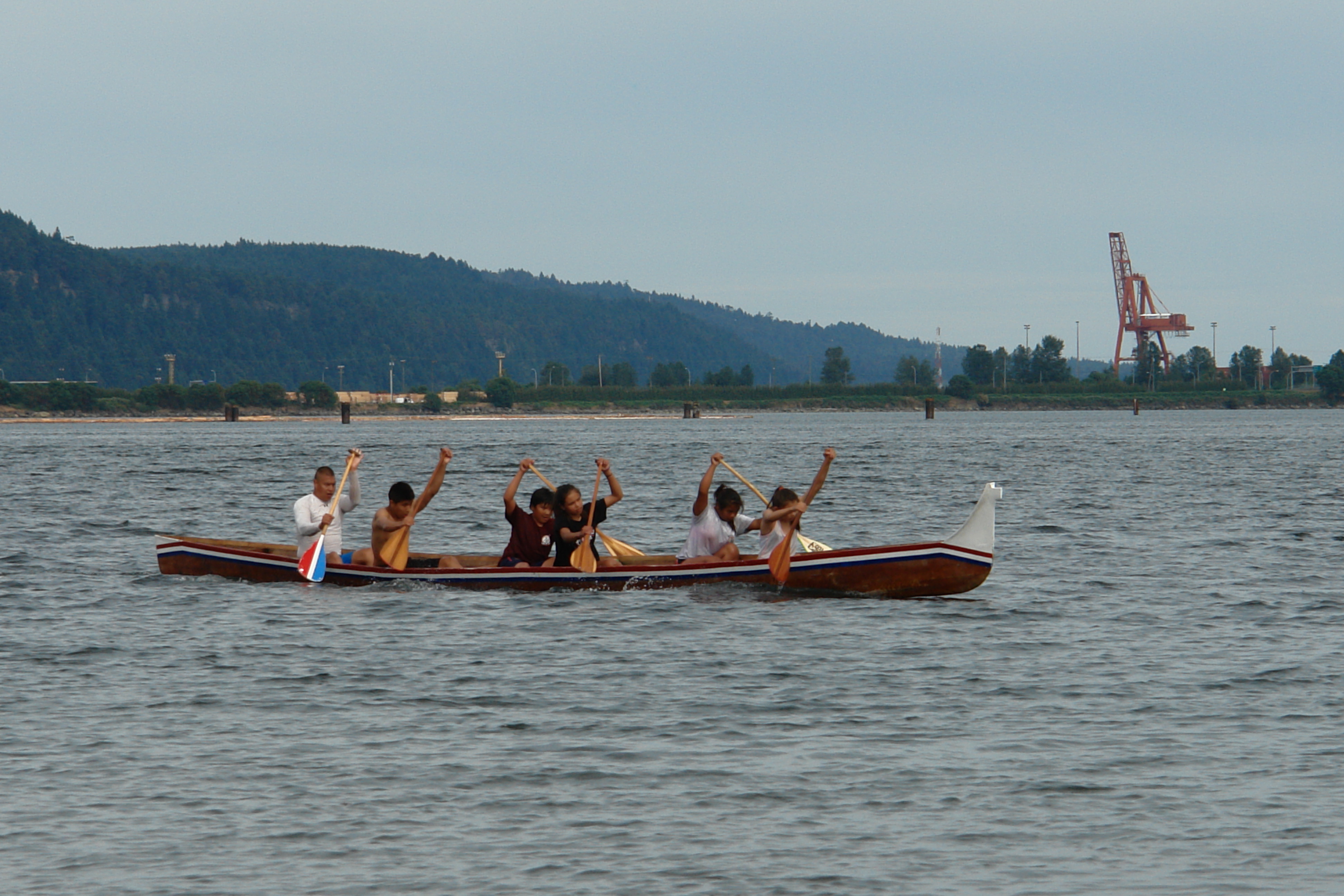
When they are paddling, the one in front needs to be on the right when they are making the turn.
’i’ ni’ tse’ wetth’utus kwthu snuhwulh ’uw’ niis wulh ts’ulquns ’eelhtun.
And they will pry the canoe in order to turn it around.
’i’ hay kwthu ni’ yulhi’a’uqwt ’uw’ yu’i’shul’ ’eelhtun.
The ones behind are just paddling.
Sometimes when they are paddling, someone will go “Hup! Hoo!
This aids the canoe to get going fast, helping all those who are paddling to come together all of one mind strengthening the pressure.
Sometimes they are trying to beat the canoe ahead of them.
Wayne Charlie — Pulxwuletse’
Kwa’mutsun, Quw’utsun’
When you are paddling, the one in the back (the skipper) will keep the canoe aligned.
When they are ready to switch, the skipper will call out “ready”, so they are counting “One! Two!” and then they switch.
You can’t hang on to the side the canoe or it will slow you down, it will slow you down when you switch.
And it interferes with your paddling.
And that’s the way our Elders did it.
Wayne Charlie — Pulxwuletse’
Kwa’mutsun, Quw’utsun’
I’m going to talk about when they first join into canoe pulling, paddling, the training part of it.
My grandmother was speaking, asking if you really want to be canoe pulling.
You can’t just be casual about it.
You have to take it seriously.
Early in the morning you have to go out as far as you can, leave from Cowichan Bay and go as far as you can, out where it’s secluded.
You have to leave really early at daybreak.
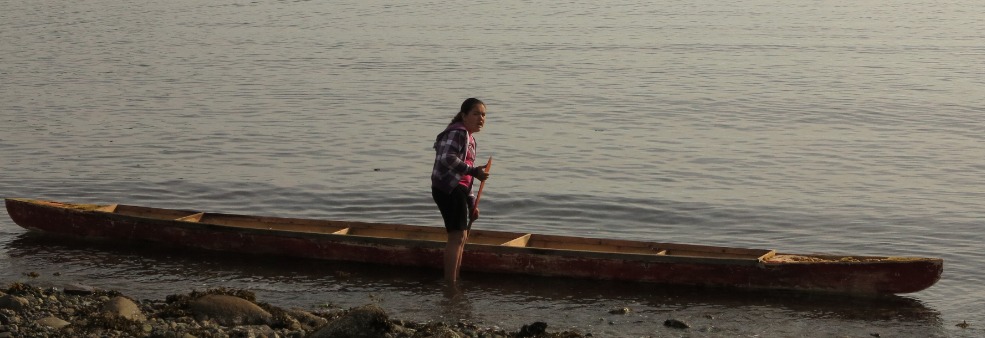
It’s like you wake your canoe up by putting it in the water, washing your canoe.
Wayne Charlie — Pulxwuletse’
Kwa’mutsun, Quw’utsun’
nuts’a’ kwus ts’ulqun, teemuthaam, “ts’ulqun! ts’ulqun! ”
When it comes to the turning point, and they would holler at you, “Turn! Turn!”
suw’ wetth’ut tthun’ sq’umul’.
So you would have to pry the canoe with the paddle.
’akw’ut tthun’ sq’umul’!
Hook your paddle!
wetth’ut ni’ ’u tthu q’lhan, q’lhanmun, wetth’ut.
So you would have to pry the canoe with the paddle. And that would be the one at the front, the bowman, that would be doing the prying.
ts’uhwle’ ’i’ ’uw’ nuts’a’ ’ul’ t’eluw’ hakwushus ’i’ ’akw’ wetth’utus.
Sometimes it would only be one person that would do the prying and making the canoe turn.
suw’ lhxilush, tl’lim’ ’uw’ lhxilush, tl’lim’ nuw’ se’ tthu q’lhan.
It would really make that person stand, and the front of the canoe would lift up from the water.
suw’ yukwukwtsem’s thu s’eluhwulh,
And there was this old person that was screaming,
ni’ ch yut’ut’iim’ ’u kwthun’ ts’uwtun. ha’ ni’ ’aanlh ’u kwthu s’ul’eluhwtstulh, kwthuw’ t’atulh s’ul’hweentst ’i’ thu’it ’uw’ tth’hwimuthaam, ’uw’ ni’ ch ’uw’ thu’itstuhw tthun’ shqwaluwun ’i’ ne’ullh tse’ ni’ hwiilasmuthaam. nilh shus yath ’uw’ qwaqwul’sta’lum’ ’u tthu s’ul’eluhwtstulh.
I am Wayne Charlie from Quamichan. So it’s the way it is when you are canoe paddling, you have to have a happy feeling all the time. Even when someone gets mad at you, you should never answer them. Even if it hurts you.
When you are paddling, the practice has to come first. Make yourself strong in mind. When someone beats you when you are competing, you always think about that. That you try harder in your practice. And when you do win and come in first, you can’t be thinking that you are the greatest or that you are high and mighty. Someday somebody will come along and beat you in the competition. If someone beats you in your competition, then don’t take it to heart about what happened, if you get beat.
You just turn to your prayers and ask for more strength. If you are strong in mind, your prayers in talking to your ancestors that are already gone, then you will get help from beyond. And this is what our elders used to say to us, when they talked to us.
Wayne Charlie — Pulxwuletse’
Kwa’mutsun, Quw’utsun’
When it’s almost getting to the finish of the race, and they increase pressure, and their strokes get a little faster.
And they can’t stop paddling, even after the race, and they just cool down their strokes, and they don’t stop paddling until they get to shore.
They stop paddling, your opponents are watching you, and they figure out that you are tired.
If they are studying you to see if you are tired and maybe next time they will beat you.
After the race, or at the end of the day, you can rest.
Wayne Charlie — Pulxwuletse’
Kwa’mutsun, Quw’utsun’